
Wake Correctional Center Releases
Wake Correctional Center is an NCDAC state prison, not a county jail. A community release may be an actual discharge or the start of post-release supervision, parole, or another form of state supervision. The public Offender Public Information record can show the person's offender number, inmate status, supervision status, incarceration history, locations, sentence information, last movement, and date. Those fields must be read together.
A departure from this Raleigh prison is not automatically freedom. Transfer to Central Prison, the North Carolina Correctional Institution for Women, or any other NCDAC institution continues state custody. The same is true when another government custodian receives the person. A movement line without its destination is incomplete evidence. The strongest public conclusion comes from an actual release movement paired with a status showing the person is no longer an active inmate.
Confirm Wake Correctional Releases
Start with the official NCDAC Offender Public Information Search. It covers state prisoners, probationers, and parolees, with historical information back to 1972. It expressly excludes Wake County jail records. The offender number is the quickest unique search key and does not need leading zeroes. Name and demographic criteria can help when that number is unknown, but too many combined filters may hide the right record.
- Search by offender number, or use name and carefully chosen identity fields.
- Open the individual detail rather than relying on the result list.
- Read Inmate Status and Probation/Parole/Post Release Status.
- Review the most recent incarceration summary, locations, and last movement date.
- Compare any Projected Release Date with the actual movement; a projection is not proof.
- Check the NCDAC Inmate Release Search for the relevant county, month, and year.
- Use NC SAVAN as notification support, then confirm with NCDAC.
An inactive record only says the person is not currently active in the displayed inmate or supervision categories. It does not identify discharge, expiration, death, or another final event without the histories. The Wake County release-search guide helps when the original custodian is uncertain.
Wake Work Release Is Custody
Wake Correctional Center is a male minimum-custody facility and work unit. Some residents may leave for approved outside work and return under NCDAC rules. That movement is work release, a custody classification. It is not community discharge, post-release supervision, or sentence termination. Seeing a person away from the prison during the day does not answer whether NCDAC released them.
This distinction is especially important in Wake County because the facility is also designated for reentry work. Reentry planning prepares people for a later transition. It does not itself change inmate status. Use OPI's location, movement, and current-status fields, and do not substitute a program description for a custody event. If the record says Active Inmate, the person remains incarcerated even when participating in outside work.
Wake Correctional Center Contact
The facility contact can help with current institutional routing, but public release verification should begin with OPI and NCDAC records. Do not call a county detention line for this state-prison record.
Wake Correctional Center
1000 Rock Quarry Road
Raleigh, NC 27610
919-733-7988
Operator: North Carolina Department of Adult Correction
NCDAC Public Records
214 W. Jones Street
5201 Mail Service Center
Raleigh, NC 27699-5201
919-733-2126
After checking OPI, request only existing public admission, movement, sentence, release, and supervision fields. Supply the OPUS number. NCDAC says basic conviction, time served, sentence length, admission, and release dates are public, while most detailed offender records remain confidential. Electronic copies are the default, and larger requests can require review and redaction.
About Wake Correctional Center
Wake Correctional Center is an NCDAC male minimum-custody institution in Raleigh with a published capacity of 414. Capacity gives context, not a live population or release count. Its minimum-custody and work-unit roles make accurate status language essential. A person can be active in work, treatment, or transition planning while still serving an active prison term.
The NCDAC institutions directory is the official source for the state facility context shown below.
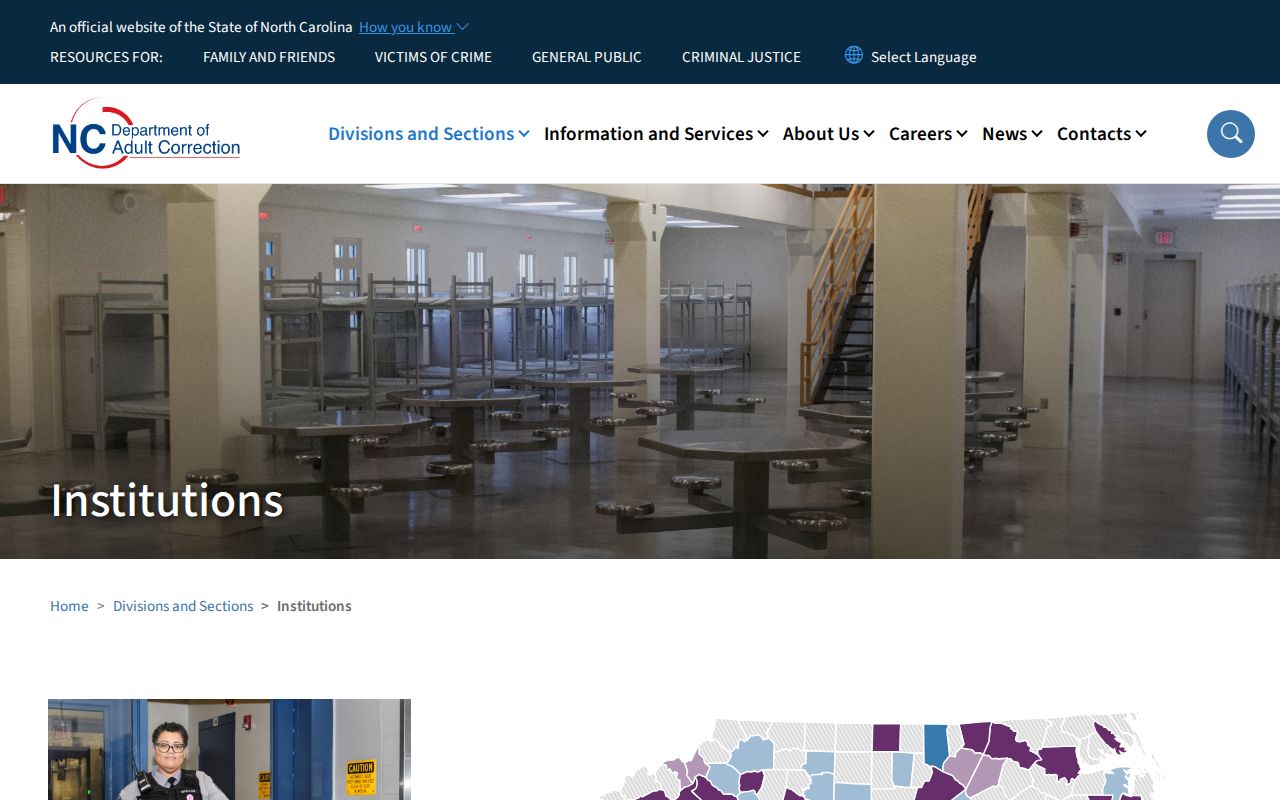
The directory places Wake Correctional Center within the statewide prison system, which is why NCDAC records control its release search.
Wake Reentry Facility Status
Wake Correctional Center and the North Carolina Correctional Institution for Women are designated reentry facilities. NCDAC also publishes a Wake reentry resource page. These programs can help prepare for identification, documents, treatment, transportation, and other practical needs near a planned transition. They are resource channels, not custody-status sources.
A projected date can change because of earned-time changes, disciplinary forfeiture, sentence modification, credit correction, consecutive or concurrent sentence treatment, court orders, or new holds. North Carolina does not use a generic 85-percent rule. Structured-sentence felons must serve the judicial minimum; earned time may reduce the maximum toward, but not below, that minimum. Actual release may begin a statutory supervision term rather than end the sentence. OPI's actual movement remains stronger than an earlier projection.
Wake State Inmate Release Search
NCDAC's separate Inmate Release Search is useful for discovering state-prison releases by county, year, and month. Wake can be selected as the release county. That label does not necessarily identify the county of conviction, prison location, or a Wake County jail event. Open each result and verify the offender detail.
The official NCDAC Inmate Release Search illustrates the correct statewide release route.
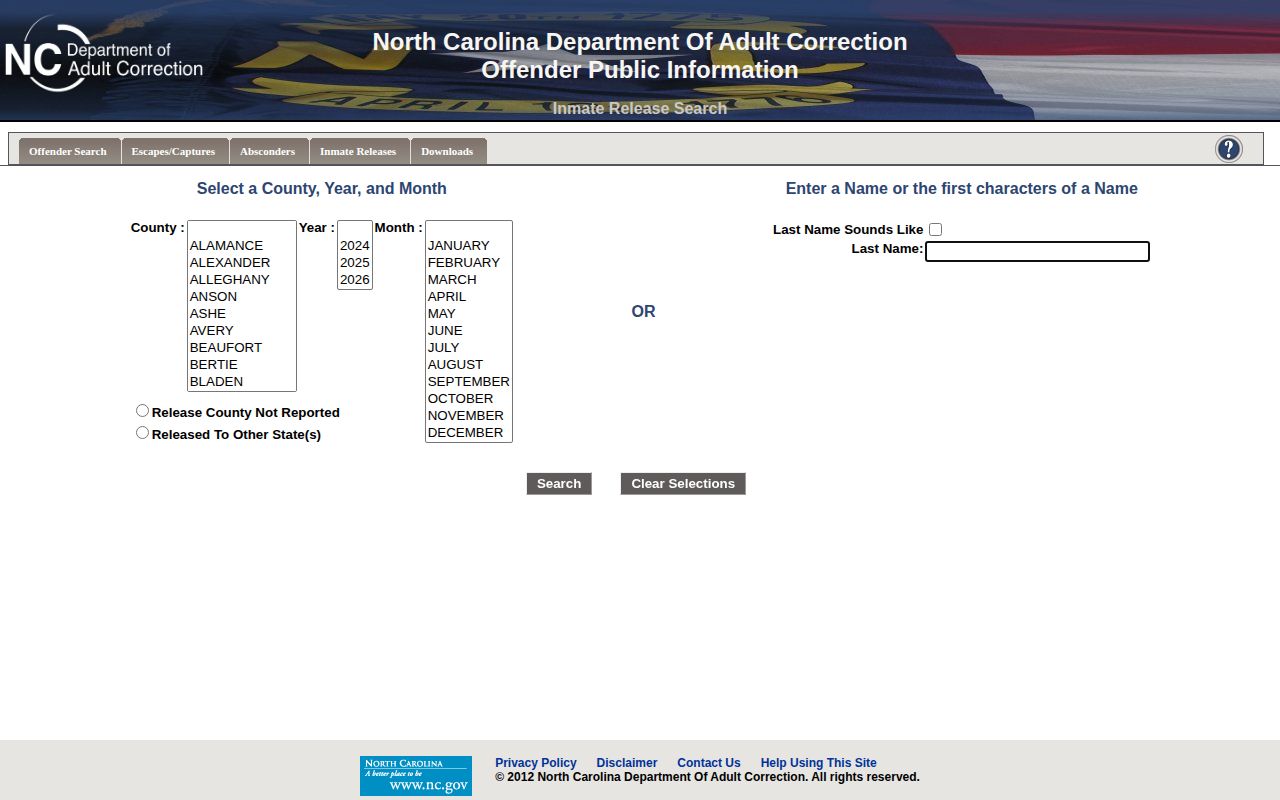
The monthly interface is a discovery tool, not a Wake Correctional Center daily roster. Check the individual movement history to connect the release to this institution.
Wake Correctional Release Alerts
NC SAVAN through VINELink covers state prisoners as well as participating county inmates and people on supervision. Search the specific person, open the contributing NCDAC record, and register for an offered event and contact method. Phone, email, text, and TTY options can vary. A telephone registration may require a PIN, while other methods use their own confirmation steps.
The direct North Carolina SAVAN person search is shown below.
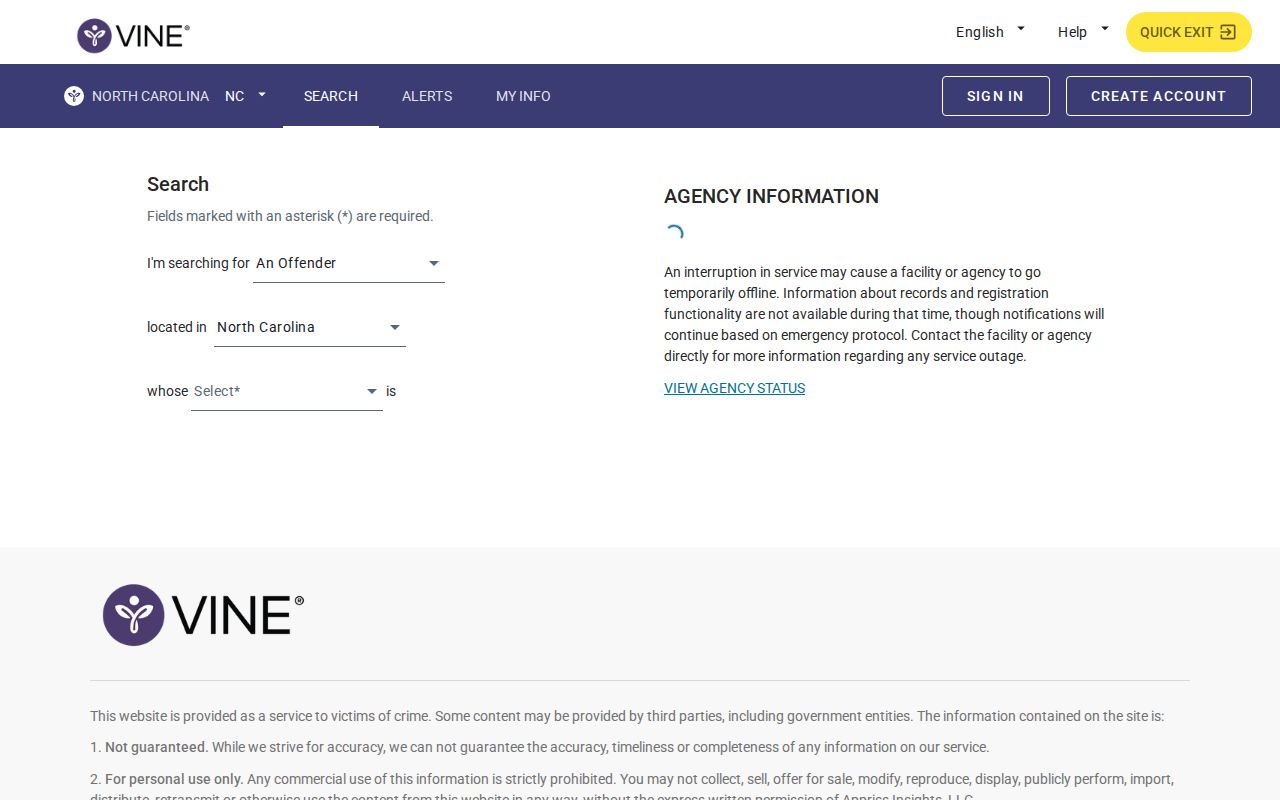
A notification can lag and is not a certified release record. Record the event time, note NCDAC as the source, and confirm the actual movement. After a transfer, registration may need to be renewed; transfer itself is not community release.
Read Wake Correctional Movements
A state release record is a custody history, not just a date. Useful fields include the OPUS number, commitment county, sentence number, admission date, current and prior locations, last movement, actual release date, and any supervision status that follows. The destination matters because the same date can describe transfer to a prison, release to community supervision, or termination of active custody. A photograph helps identify the record but does not establish the event.
Post-release supervision is the statutory community portion of many modern felony sentences. Parole is conditional early release for an eligible parole-law sentence. Probation is imposed by a court and can exist without a prison release from Wake Correctional Center. Do not merge these labels. OPI may name the Probation/Parole Office for an active supervision record, which is the best routing field when an office must confirm current supervision.
If no complete public movement appears, request the existing NCDAC fields. State the OPUS number, approximate dates, and Wake Correctional Center as the location of interest. Ask for public admission, movement, actual release, and supervision dates. A narrow request reduces identity errors and avoids confidential medical, program, security, or investigative information.
County release lists cannot fill this gap. Wake Correctional Center belongs to NCDAC. A local jail disappearance may mark transfer into this prison. Disappearance from this prison's location line may mark transfer elsewhere. The statewide status and destination settle which event occurred.
Hammond Jail Project Context
Wake County's Hammond Road jail was built in phases under a 1999 master plan, with work completed in 2005 and 2012. County planning describes a later expansion while that jail remains active. This construction belongs to the Sheriff's county detention system, not Wake Correctional Center. It does not alter NCDAC custody status, create a state-prison release list, or change the OPI route. A person moving from the Hammond jail to this prison remains in custody, regardless of county capacity work.
Final Wake Release Check
Before concluding that confinement ended, compare three items: the last NCDAC movement, the current inmate status, and any active supervision status. All should describe a consistent custody path. If the monthly release result and OPI disagree, preserve the dates checked and ask NCDAC for the existing public movement record. This final comparison prevents an old projection, a work-release assignment, or a facility transfer from being mistaken for community discharge.